
- Home
- »
- Consumer F&B
- »
-
Black Beer Market Size And Share, Industry Report, 2033GVR Report cover
![Black Beer Market Size, Share & Trends Report]()
Black Beer Market (2026 - 2033) Size, Share & Trends Analysis Report By Type (Dark Lager, Dark Ale, Brown Porter, Stout), By Packaging (Canned, Bottled), By Distribution Channel (Off-trade, On-trade), By Region, And Segment Forecasts
- Report ID: GVR-4-68039-588-0
- Number of Report Pages: 100
- Format: PDF
- Historical Range: 2021 - 2025
- Forecast Period: 2026 - 2033
- Industry: Consumer Goods
- Report Summary
- Table of Contents
- Segmentation
- Methodology
- Download FREE Sample
-
 Download Sample Report
Black Beer Market Summary
The global black beer market size was estimated at USD 38.85 billion in 2025 and is projected to reach USD 52.20 billion, growing at a CAGR of 3.2% from 2026 to 2033. An increase in demand for craft beer among premium drinkers and millennials is strengthening market growth. In recent years, many local breweries have emerged, which has propelled the demand for black beer, mainly processed in microbreweries.
Key Market Trends & Insights
- Asia Pacific dominated the global black beer market in 2025 with a revenue share of 39.5%.
- The black beer industry in the U.S. is projected to grow at a CAGR of 4.2% from 2026 to 2033.
- By type, the dark lager segment accounted for a market share of 41.5% in 2025.
- By packaging, the canned segment accounted for a market share of 58.2% in 2025.
- By distribution channel, the off-trade segment accounted for a market share of 60.3% in 2025.
Market Size & Forecast
- 2025 Market Size: USD 38.85 Billion
- 2033 Projected Market Size: USD 52.20 Billion
- CAGR (2026-2033): 3.2%
- Asia Pacific: Largest market in 2025
The presence of distinctive taste and uncommon flavors, coupled with a shift in consumer preferences from regular beers to flavored beers, is anticipated to fuel product demand. The demand for dark beers such as stouts, porters, and black lagers has been accelerating because of a clear consumer shift toward richer flavor experiences and premium alcohol choices. Brands like Guinness, Founders Brewing Co., and breweries producing styles like Schwarzbier have benefited from this trend, as today’s beer drinkers are moving beyond standard pale lagers. The global rise of craft beer culture, supported by organizations like the Brewers Association in the U.S., has encouraged experimentation, and darker beers are often the biggest upgrade in taste complexity that new explorers try after lagers. The flavor palette of roasted malt, coffee, chocolate, caramel, nuts, and dark fruit resonates strongly with consumers who want indulgence rather than refreshment, making dark beers more aligned with tasting culture than fast-casual drinking.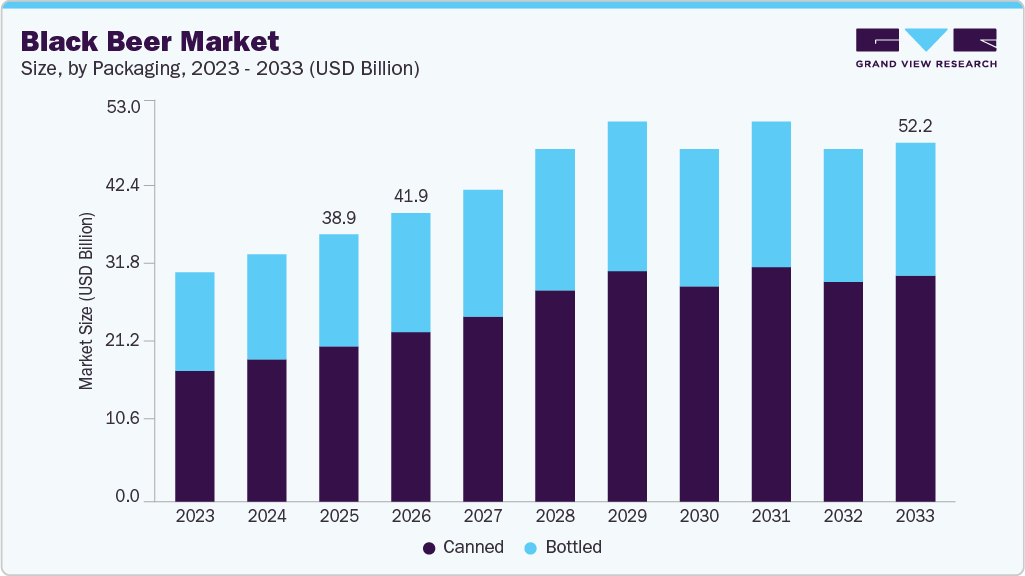
Premiumization has also played a major role in driving demand in the black beer industry. As craft and specialty alcohol segments grow globally and household discretionary incomes rise, consumers are paying more for perceived quality, packaging, and novelty.
Seasonal and lifestyle-linked consumption patterns are reinforcing this demand curve. Dark beer historically performed better in winter, but the narrative is changing. Food pairing cultures, beer-tasting festivals, social media discovery, and slow-sipping habits are turning dark brews into all-season lifestyle beverages. Festivals like Oktoberfest and craft-centric community events in Europe and North America have normalized deeper beer styles through sampling and education. Additionally, younger professionals in urban dining and tasting hubs, tracked on platforms such as Instagram and YouTube, are discovering dark beer as part of the “beer and food storytelling culture.” This is why beverage innovators are launching new dark variants with approachable profiles and flavor infusions.
The expansion of the consumer base to include women and Gen Z drinkers is another important structural driver. Historically, darker beers had a stereotypical male association, but industry transformation toward inclusivity, social drinking sophistication, café-style flavors, lower-bitter variants, and better retail distribution are broadening demand. Alcohol brands focusing on premium storytelling are now positioning dark beers within “indulgence-led purchase journeys,” similar to premium wine and artisanal spirits, rather than fast-moving light beer carts. The penetration of premium alcohol sections in retail chains like Tesco, where dark imported beers are showcased, or online marketplaces, drives easier access, and better availability boosts trial and repeat conversion.
Consumer Demographic Insights
The rising interest in black and dark beer is largely driven by evolving consumer preferences toward deeper, more experimental flavor profiles. As craft beer culture expands, drinkers increasingly move away from standard lagers and seek roasted malts, caramel depth, and coffee- or chocolate-forward tasting notes, attributes strongly delivered by stout and porter styles. Brands such as Guinness have played a key role in normalizing darker beer on mainstream bar menus. At the same time, thousands of micro and independent breweries worldwide continue releasing limited batches of black ale- and stout-led beers for niche audiences. This expansion has created greater accessibility, more taproom availability, and a stronger beer-education environment through festivals, tasting clubs, and social media discussions, gradually reshaping taste budgets toward darker beer categories.
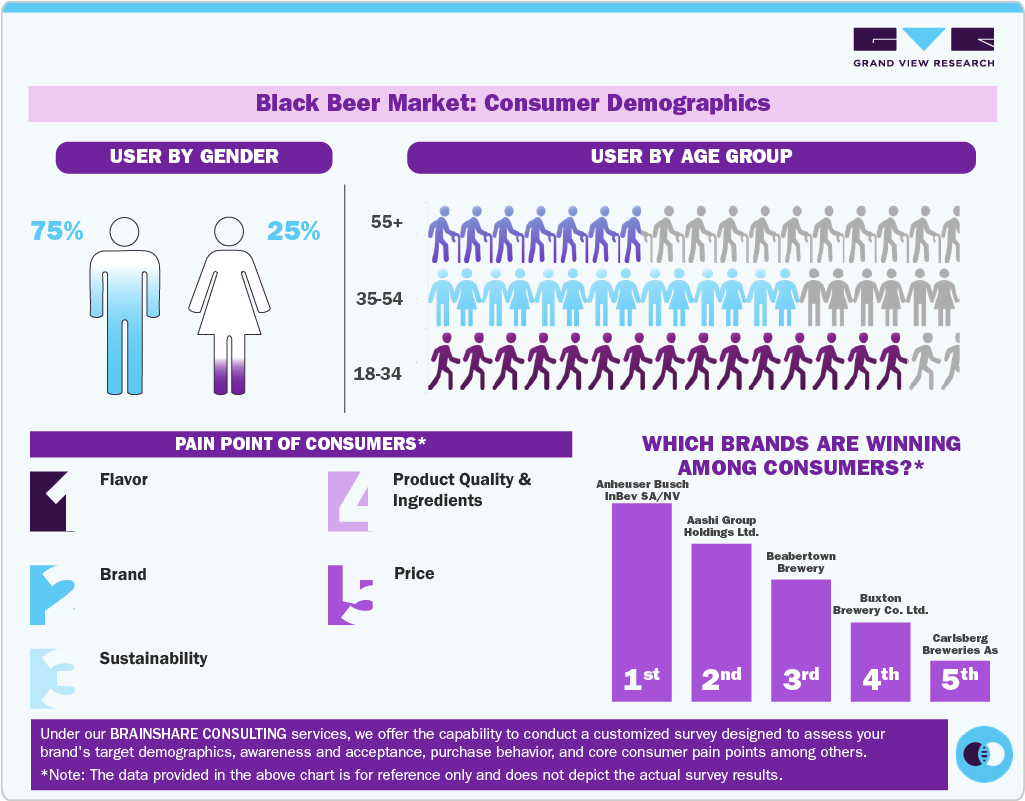
Alcohol consumption is rising because social drinking is becoming an extension of lifestyle identity rather than a seasonal indulgence. Younger consumers gravitate toward communal venues like craft breweries, brewpubs, and experience-led drinking environments where experimentation is encouraged, and products are perceived as more “authentic” and premium. Organizations such as the Brewers Association reported a rapid rise in U.S. craft brewery openings in the last decade, which increased beer variety per local market.
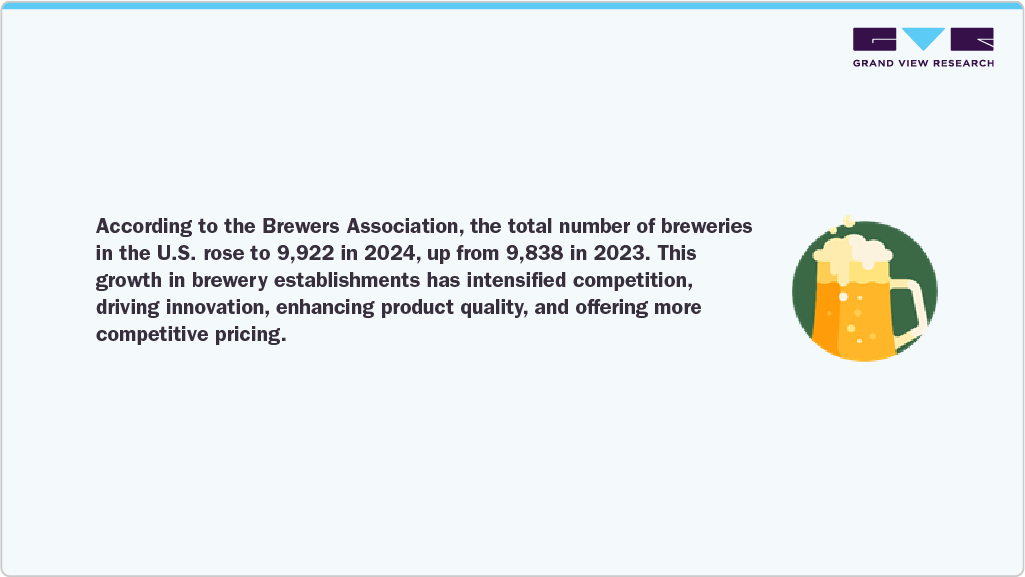
The rise in breweries is also linked to the expansion of cocktail and mixed-drink culture. Breweries now operate not only as production units but as social spaces that also serve beer-based cocktails, curated tasting flights, and experimental flavor blends. This trend intersects strongly with the global cocktail culture, driven by apps like Instagram, where dark-beer-based cocktails, espresso-martini-meets-stout fusions, and black-beer float serves go viral as visual experiences.
Europe remains the world’s heaviest-drinking region, with adults consuming on average 9-11 liters of pure alcohol per year, though intake has declined by roughly 20-25% since 1980. Men drink nearly four times more than women (about 15 liters vs. 4 liters annually), and heavy episodic drinking is widespread, with nearly 40% of drinkers reporting monthly binge episodes. Beer (40%) and wine (37%) dominate consumption, while spirits account for about 22%. Daily drinking is most common in Southern Europe (Portugal, Italy, Spain), whereas Northern and Eastern countries show much lower daily rates. Overall, around one-quarter of Europeans abstain from alcohol, and while long-term consumption is falling, cultural patterns and beverage preferences vary widely across the region.
Type Insights
The dark lager beer dominated the black beer market, accounting for a revenue share of 41.5% in 2025. The market for dark lagers and black beers is growing as consumers shift toward richer, sensory-led experiences, functional positioning, and craft-style authenticity. Drinkers are moving beyond crisp light beers toward roasted-malt profiles that feel more “premium,” food-friendly, and seasonally versatile, especially in cooler months. The trend is supported by the boom in microbreweries championing experimental dark brews, increased pairing demand in steakhouses and BBQ chains, and social-media-driven exploration of visually distinctive beers that photograph well.
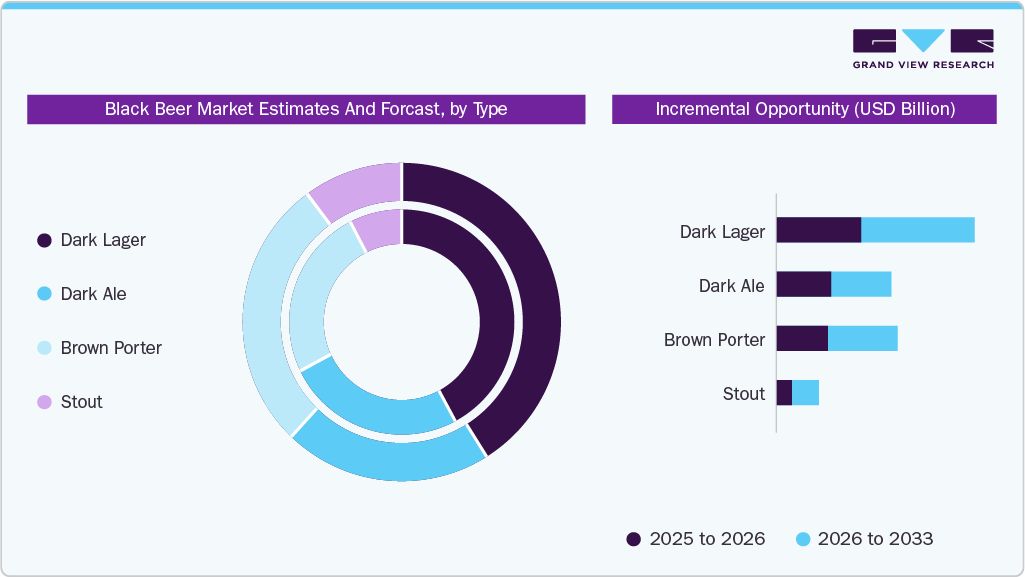
The stout beer segment is projected to grow at a CAGR of 7.8% from 2026 to 2033. The market for stouts and black beers is growing as consumers increasingly shift toward flavorful, premium, and experiential alcoholic beverages. A growing interest in roasted, chocolate, and coffee-forward profiles has boosted demand, supported by the popularity of café culture and crossover influences from products like craft cold brews. The expansion of breweries under brands such as Guinness, North Coast Brewing Co. (Old Rasputin), and local craft beer assemblages has strengthened category visibility across bars, retail shelves, and online ordering channels.
Packaging Insights
The canned packaging segment led the black beer market, accounting for the largest revenue share of 58.2% in 2025. The market for canned black beer is rising as consumer preferences shift toward convenience, portability, and premium aesthetics. Dark beer styles such as stout and schwarzbier are increasingly positioned as “accessible indulgence” products, benefiting from the rapid growth of the ready-to-drink (RTD) alcohol culture and social drinking occasions outside traditional bars. The packaging format has gained strong momentum as breweries experiment with nitrogen-infusion technology to achieve a creamier texture and longer flavor stability in cans.
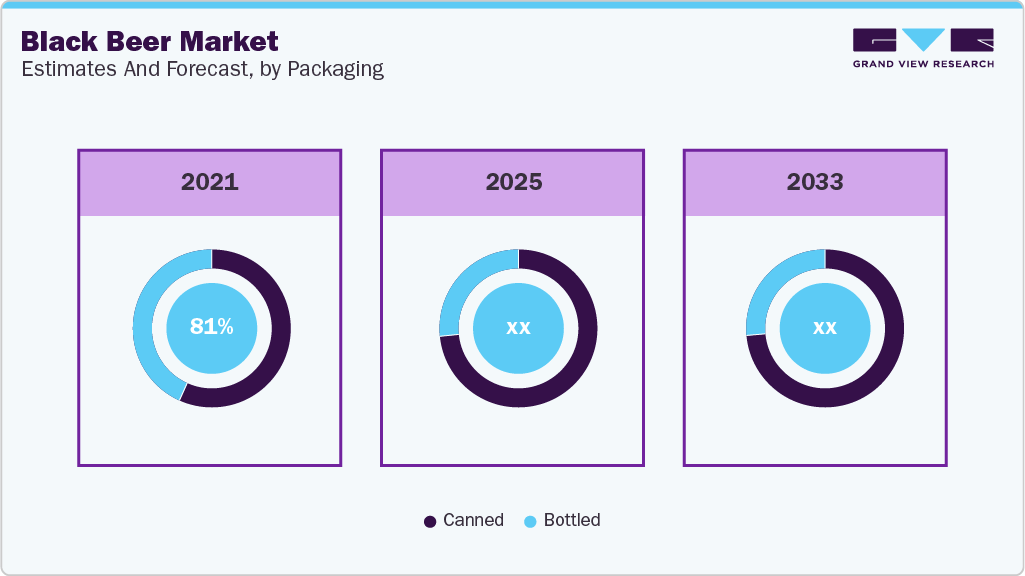
The bottled black beers segment is projected to grow at a CAGR of 1.6% from 2026 to 2033. The demand for bottled black beer is rising due to a convergence of lifestyle, convenience, and premiumization trends in the alcohol market. Younger consumers increasingly associate dark beers with craft credibility and indulgent flavor profiles, notes such as roasted malt, caramel, and chocolate-making them popular for experiential drinking beyond mainstream lagers. Bottled formats expand accessibility through retail shelves and home consumption occasions, aligning with the growth of online alcohol sales platforms like Drizly in North America and Vivino, aiding discovery and flavor-led purchase decisions.
Distribution Channel Insights
The sales of black beer through the off-trade channel accounted for a share of 60.3% of the global revenues in 2025. The off-trade market for black beer is gaining momentum as consumer tastes shift toward flavorful, premium-feeling yet affordable alcoholic profiles. Growing demand for roasted-malt flavor, cocktail-style complexity, and food pairings is driving trials in retail channels such as supermarkets, hypermarkets, and liquor stores. Younger drinkers are exploring darker beer styles for “experience value,” often influenced by online communities and social media-led discovery. Seasonal spikes around festivals, gifting occasions, and winter consumption also boost off-take. In parallel, breweries are expanding distribution footprints and launching smaller, price-accessible packs tailored for home consumption, strengthening off-trade sales for black beer.
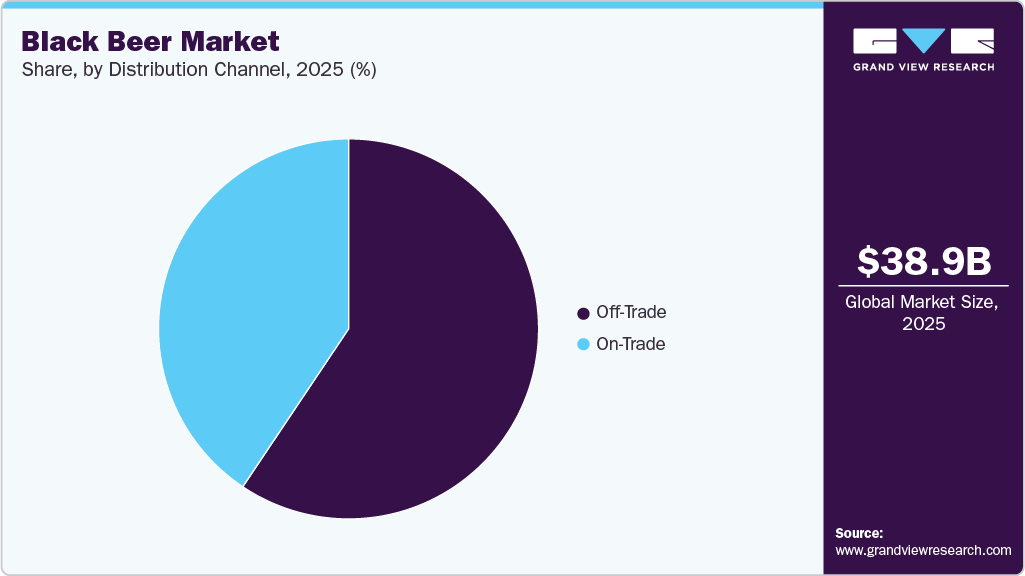
The sales of black beers through on-trade/e-commerce channels are anticipated to grow at a CAGR of 5.5% from 2026 to 2033. The market for black beer is growing strongly through on-trade channels (bars, pubs, and restaurants), driven by premiumization, experience-driven consumption, and cocktail-style experimentation. Young urban consumers increasingly view dark beers as an artisanal, mood-led choice, pairing them with gourmet pub food and late-night occasions. On-trade operators showcase black beer to boost margins, feature seasonal menus, and offer tasting flights, positioning it alongside craft and imported selections.
Regional Insights
The North America black beer industry is projected to grow at a CAGR of 3.4% from 2026 to 2033. The black beer category is rising in North America, primarily driven by demand for bold, flavorful alternatives to light lagers. Craft premiumization, led by small and mid-scale craft breweries tracked by the Brewers Association, is encouraging experimentation. Consumers influenced by seasonal retail programming from chains like Total Wine & More and by food-pairing trends popularized across menus in concepts like Yard House are adopting dark lagers and stouts more frequently.
U.S. Black Beer Market Trends
The black beer industry in the U.S. is projected to grow at a CAGR of 4.2% from 2026 to 2033. The U.S. market is rising as consumers shift toward bold, flavor-rich alcohol experiences that pair well with food and premium social occasions. Growing interest in craft brewing, seasonal and limited-edition releases, and “dark lager discovery” through tasting rooms has expanded trials beyond traditional stouts. Black beer also benefits from trends in lower-bitterness smooth lagers, coffee and chocolate tasting notes, and rising demand for visually distinctive beer styles that perform well on social media, especially among younger drinkers exploring novelty aesthetics. Brands such as Guinness and other U.S. craft dark beer labels are gaining tap visibility in bars and brewpubs, while winter-season menus further drive consumption.
Europe Black Beer Market Trends
The black beer industry in Europe is projected to grow at a CAGR of 3.7% from 2026 to 2033, driven by a mix of cultural nostalgia and evolving taste preferences. Consumers are shifting toward richer, flavor-forward beverages, favoring styles like German Schwarzbier, Czech dark lagers, and Irish Guinness-style stouts. The craft beer boom, led by independent breweries across countries such as Belgium, Poland, and the Nordics, has premiumized dark beer through smoked malt, cocoa, and coffee infusions. Seasonal consumption peaks during winter, Christmas markets, and food-pairing occasions, especially with grilled meats, rye bread, and desserts.
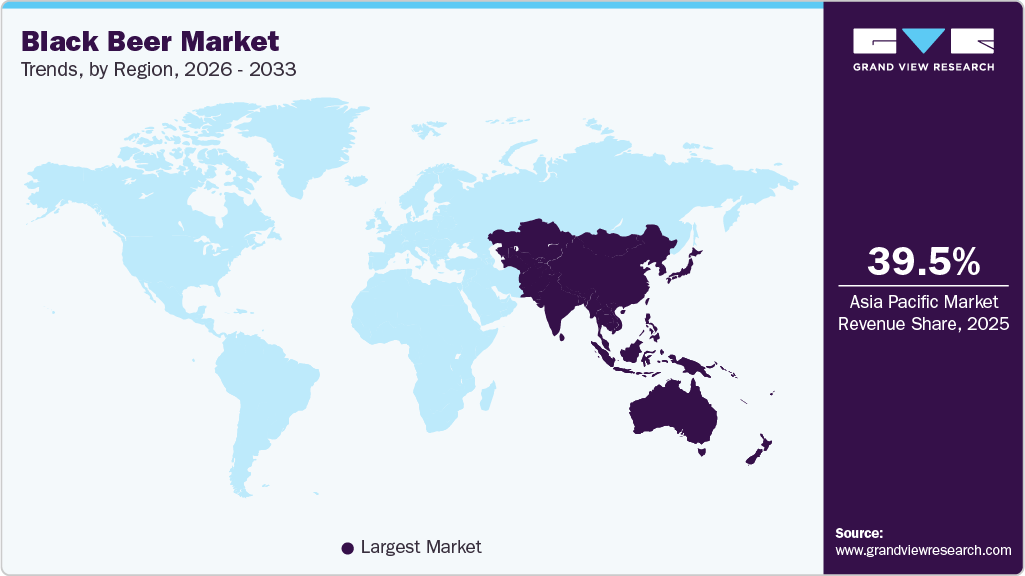
Asia Pacific Black Beer Market Trends
The black beer industry in Asia Pacific accounted for a global revenue share of 39.5% in 2025. The market for black beer is growing in Asia Pacific as consumers increasingly seek bolder, craft-leaning flavor profiles and premium social-drinking experiences. Growing curiosity among millennials and Gen Z for roasted-malt richness, lower sweetness, and complex aroma is steering demand toward dark-lager and stout styles, often positioned as “food-pairing beers” for barbecue, smoked meats, and spicy Asian street cuisine. The expansion of microbreweries and localized dark-beer launches by regional brands like Asahi and San Miguel Beer, alongside rising bar culture adoption in cities across Tokyo and Manila, are reinforcing visibility and trial.
Key Black Beer Companies Insights
Established and emerging players in the global black beer market operate in a highly competitive environment, driven by innovation in intelligent cleaning technologies, connectivity features, and differentiated user experiences. Companies are increasingly investing in energy-efficient designs, advanced sensor systems, and IoT-enabled functionalities to meet rising consumer expectations for convenience, automation, and sustainability. In addition, leading brands are strengthening omnichannel retail strategies and leveraging digital-first marketing to engage tech-savvy, modern canneds who prioritize seamless integration, time-saving capabilities, and premium performance within their smart kitchens.
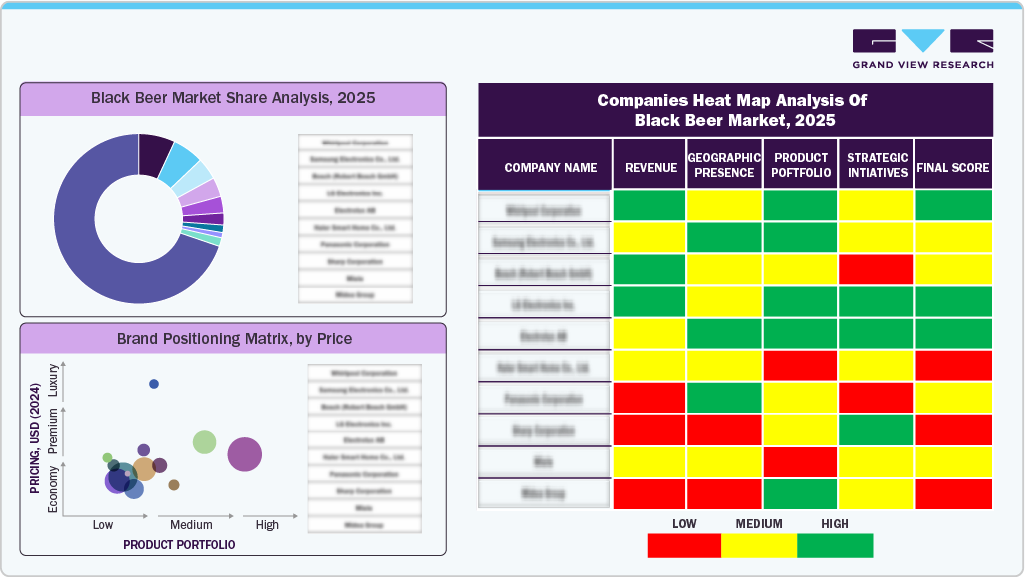
Key Black Beer Companies:
The following key companies have been profiled for this study on the black beer market.
- Anheuser Busch InBev SA/NV
- Asahi Group Holdings Ltd.
- Beavertown Brewery
- Buxton Brewery Co. Ltd.
- Carlsberg Breweries AS
- Diageo Plc
- Heineken NV
- Mikkeller ApS
- Stone Brewing Co.
- The Boston Beer Co. Inc.
Recent Developments
-
In July 2025,Goose Island’s 2025 Bourbon County Stout lineup, features the classic Bourbon County Brand Original Stout in new 10 oz 4-pack bottles plus five variants: Cherries Jubilee Stout, Chocolate Praline Stout, Proprietor’s Stout (Chicago-only), Double Barrel Heaven Hill Bottled‑in‑Bond Stout, and Parker’s Heritage Reserve Stout, each highlighting different barrel treatments and adjuncts like cherries, nuts, honey, cocoa nibs, and rye‑whiskey character to showcase diverse expressions of the barrel‑aged imperial stout style.
-
In October 2025, Conan, a new strong beer brand in India, launched with a premium 8% ABV lager that combines robust German malt and American hops for a smooth yet bold taste, aiming to redefine the perception of strong beer in the country. Priced at ₹110 for a 500ml can, Conan was created by entrepreneur Arvind Bajaj to appeal to a wider audience, including those who find traditional strong beers harsh.
Black Beer Market Report Scope
Report Attribute
Details
Market size value in 2026
USD 41.96 billion
Revenue forecast in 2033
USD 52.20 billion
Growth rate
CAGR of 3.2% from 2026 to 2033
Actual data
2021 - 2025
Forecast period
2026 - 2033
Quantitative units
Revenue in USD million/billion, and CAGR from 2026 to 2033
Report coverage
Revenue forecast, company ranking, competitive landscape, growth factors, and trends
Segments covered
Type, packaging, distribution channel, region
Regional scope
North America; Europe; Asia Pacific; Central & South America; Middle East & Africa
Country scope
U.S.; Canada; Mexico; Germany; UK; France; Italy; Spain; China; India; Japan; South Korea; South Africa; Brazil
Key companies profiled
Anheuser Busch InBev SA/NV; Asahi Group Holdings Ltd.; Beavertown Brewery; Buxton Brewery Co. Ltd.; Carlsberg Breweries AS; Diageo Plc; Heineken NV; Mikkeller ApS; Stone Brewing Co.; The Boston Beer Co. Inc.
Customization scope
Free report customization (equivalent up to 8 analysts working days) with purchase. Addition or alteration to country, regional & segment scope.
Pricing and purchase options
Avail customized purchase options to meet your exact research needs. Explore purchase options Global Black Beer Market Report Segmentation
This report forecasts revenue growth at the global, regional, and country levels and provides an analysis of the latest industry trends and opportunities in each of the sub-segments from 2021 to 2033. For this study, Grand View Research has segmented the global black beer market report based on type, packaging, distribution channel, and region:
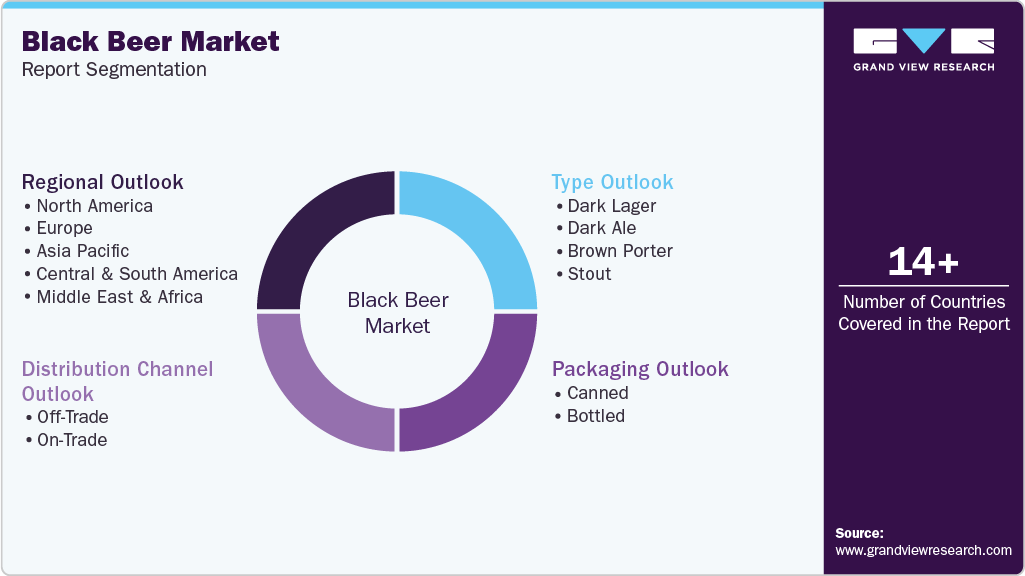
-
Type Outlook (Revenue, USD Billion, 2021 - 2033)
-
Dark Lager
-
Dark Ale
-
Brown Porter
-
Stout
-
-
Packaging Outlook (Revenue, USD Billion, 2021 - 2033)
-
Canned
-
Bottled
-
-
Distribution Channel Outlook (Revenue, USD Billion, 2021 - 2033)
-
Off-Trade
-
On-Trade
-
-
Regional Outlook (Revenue, USD Billion, 2021 - 2033)
-
North America
-
U.S.
-
Canada
-
Mexico
-
-
Europe
-
Germany
-
UK
-
France
-
Italy
-
Spain
-
-
Asia Pacific
-
China
-
India
-
Japan
-
South Korea
-
-
Central & South America
-
Brazil
-
-
Middle East & Africa
-
South Africa
-
-
Frequently Asked Questions About This Report
b. The global black beer market size was estimated at USD 38.85 billion in 2025 and is expected to reach USD 41.96 billion in 2026.
b. The global black beer market is expected to grow at a compound annual growth rate of 3.2% from 2026 to 2033 to reach USD 52.20 billion by 2033.
b. Some key players operating in the black beer market include Anheuser Busch InBev SA/NV; Asahi Group Holdings Ltd.; Beavertown Brewery; Buxton Brewery Co. Ltd.; Carlsberg Breweries AS; Diageo Plc, Heineken NV; Mikkeller ApS; Stone Brewing Co.; The Boston Beer Co. Inc.
b. The dark lager beer accounted for a market share of 41.5% of the global revenues in 2025. The market for dark lagers and black beers is rising due to shifting consumer taste toward richer, sensory-led experiences, functional positioning, and craft-style authenticity.
b. A rise in demand for preventing diseases caused due to obesity is expected to have a positive impact on the black beer market over the forecast period. Moreover, the increasing consumption of alcoholic beverages among millennials is anticipated to boost market growth further


Share this report with your colleague or friend.
Need a Tailored Report?
Customize this report to your needs — add regions, segments, or data points, with 20% free customization.


ISO 9001:2015 & 27001:2022 Certified
We are GDPR and CCPA compliant! Your transaction & personal information is safe and secure. For more details, please read our privacy policy.
Trusted market insights - try a free sample
See how our reports are structured and why industry leaders rely on Grand View Research. Get a free sample or ask us to tailor this report to your needs.












